Sand casting is one of the oldest and most versatile metal casting processes still widely used in modern manufacturing. Known for its flexibility, cost-effectiveness, and ability to produce complex metal parts in a wide range of sizes, sand casting remains a foundational method across industries such as automotive, construction, agriculture, energy, and heavy equipment manufacturing.
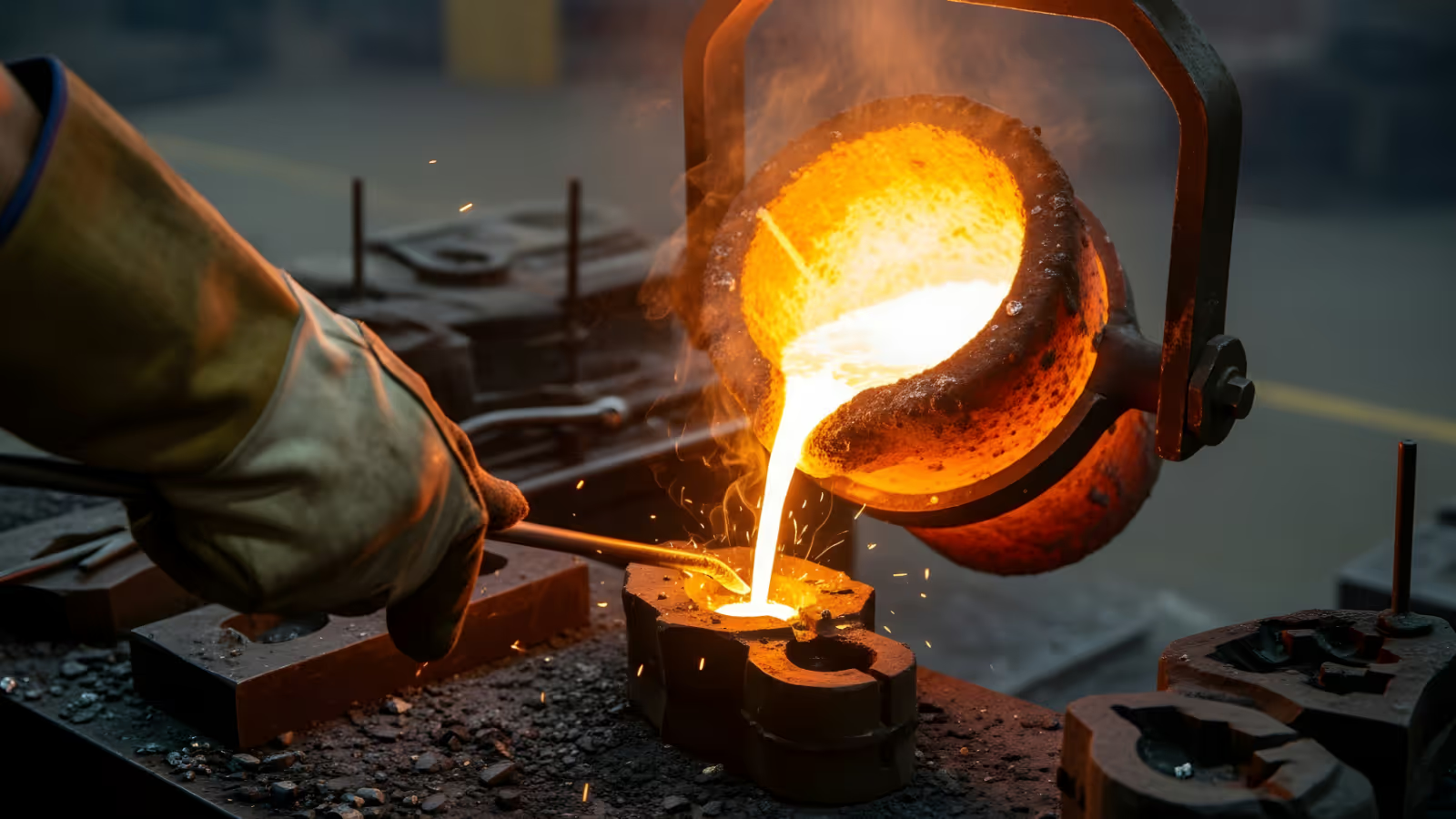
At its core, sand casting involves pouring molten metal into a sand mold that has been shaped to match the desired part geometry. Once the metal cools and solidifies, the sand mold is broken away to reveal the finished casting. While the concept is simple, the process can be highly refined, combining traditional techniques with modern engineering and quality controls.
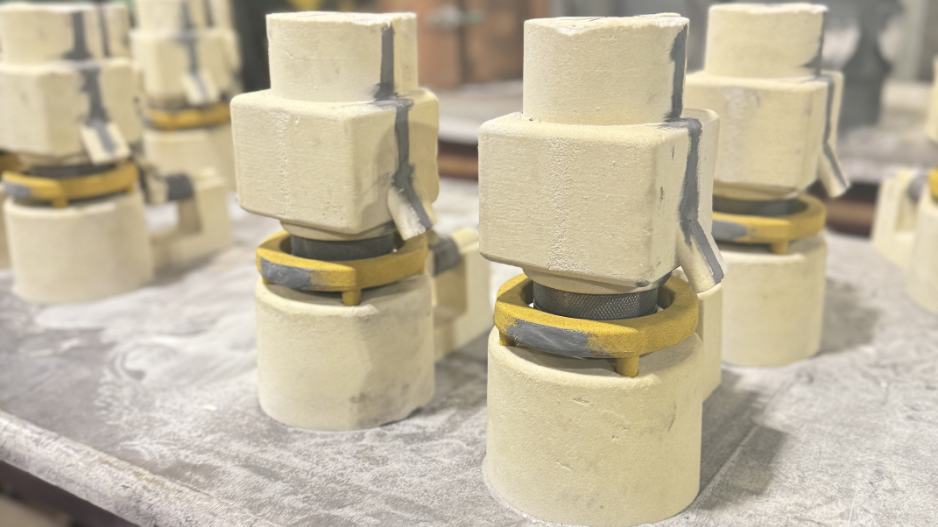
The sand casting process begins with the creation of a pattern, which is a replica of the final part. Patterns can be made from wood, plastic, metal, or 3D-printed materials, depending on production volume and required precision. This pattern is placed into a molding box and packed with specially prepared sand mixed with binders to help it retain its shape.
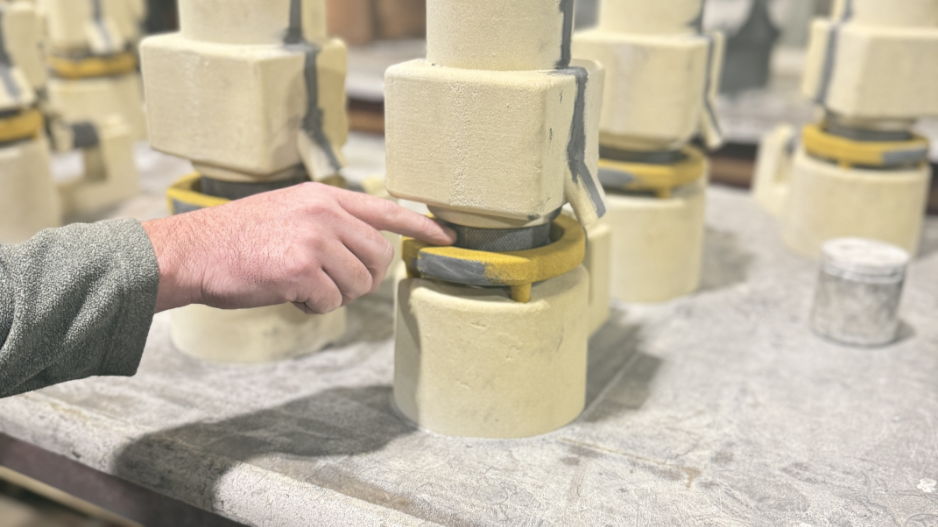
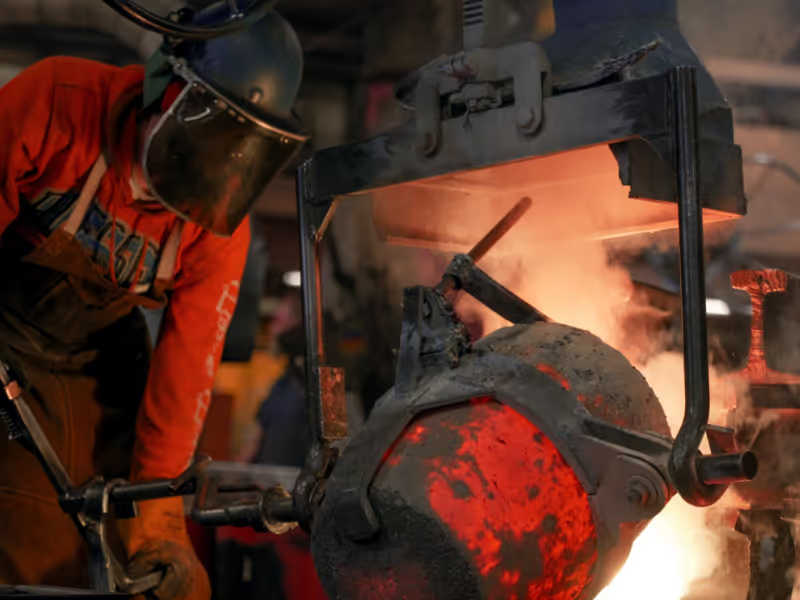
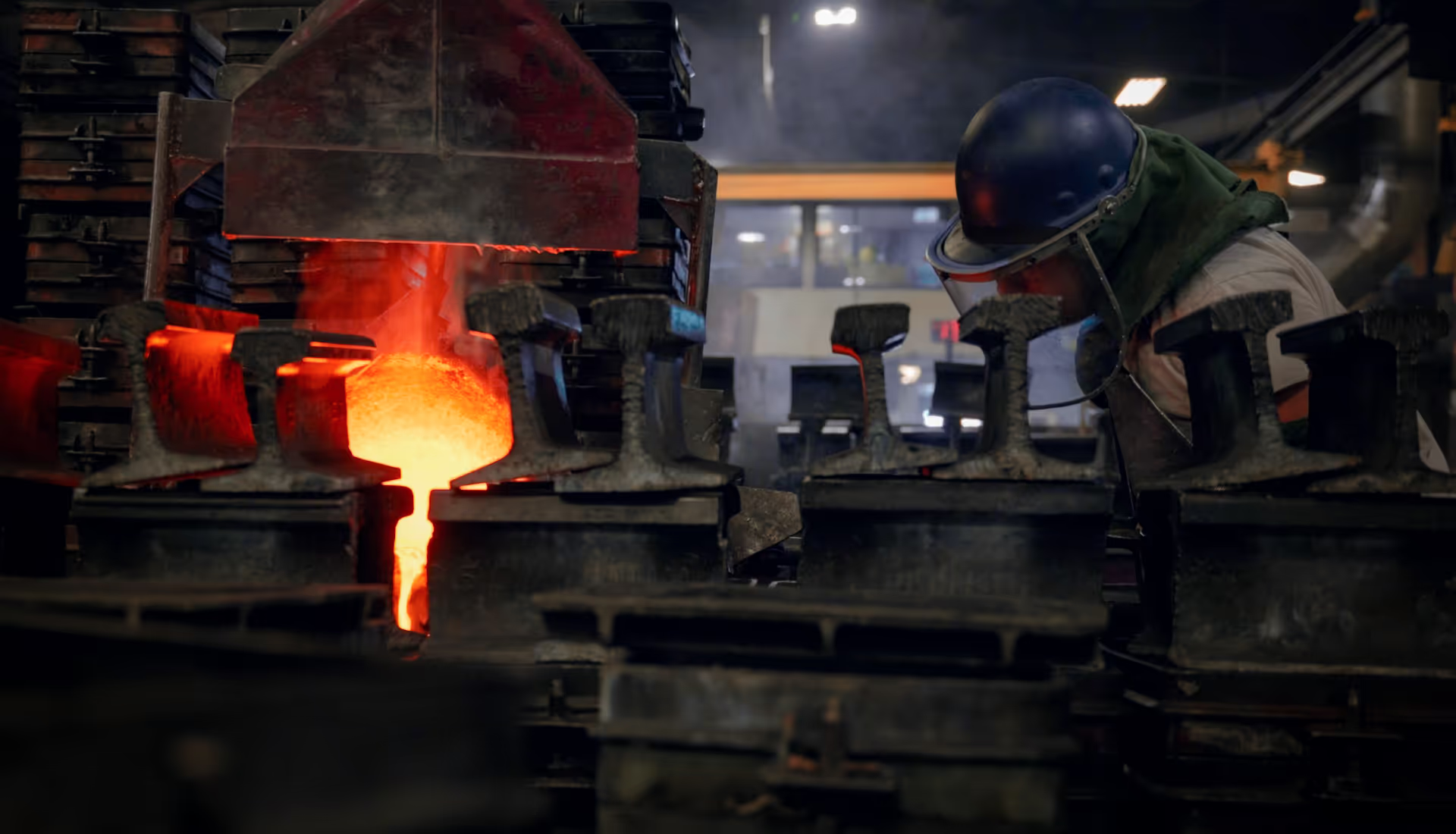
Once the sand is compacted, the pattern is removed, leaving a cavity in the shape of the part. Channels known as gates and runners are added to allow molten metal to flow into the mold, while vents help gases escape during pouring. The mold is then closed, and molten metal—such as iron, steel, aluminum, brass, or bronze—is poured into the cavity.
After cooling, the mold is broken apart, the casting is removed, and excess material from gates and runners is trimmed away. Depending on the application, additional machining, heat treatment, or surface finishing may be performed to meet final specifications.
One of the primary advantages of sand casting is its design flexibility. The process can accommodate highly complex shapes, internal cavities, and varying wall thicknesses that may be difficult or expensive to produce using other manufacturing methods. Sand casting also supports both small prototype runs and large production volumes, making it ideal for custom and low-to-medium quantity parts.
Another major benefit is material versatility. Sand casting works with a wide range of ferrous and non-ferrous metals, allowing manufacturers to choose materials based on strength, weight, corrosion resistance, or cost. Additionally, the tooling costs for sand casting are relatively low compared to permanent mold or die casting, making it a cost-effective option for many applications.
Sand itself is also reusable. After a casting is completed, much of the sand can be reclaimed, reconditioned, and used again, helping reduce waste and overall production costs.
While sand casting offers many advantages, it does have some limitations. Surface finishes are generally rougher than those produced by processes like die casting or investment casting, and dimensional tolerances may not be as tight. As a result, sand cast parts often require secondary machining to achieve precise fits or smooth surfaces.
Production speed can also be slower compared to automated casting methods, particularly for high-volume runs. However, advancements in molding automation, simulation software, and process controls have significantly improved consistency and efficiency in modern sand casting operations.
Sand casting is widely used to produce components such as engine blocks, pump housings, valves, gears, brackets, and large structural parts. Its ability to scale from small precision components to castings weighing several tons makes it especially valuable in heavy industry and infrastructure projects.
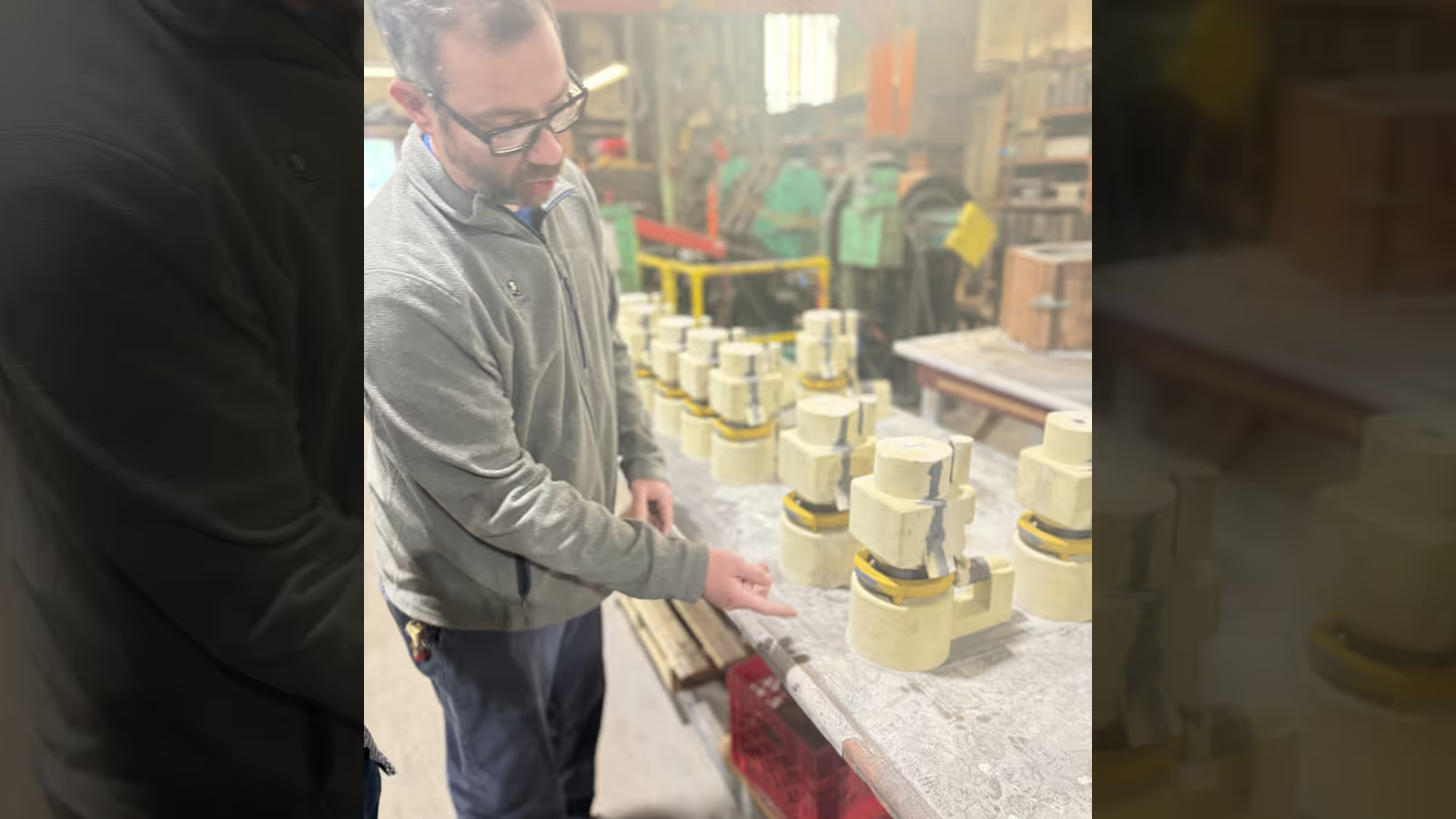
In recent years, sand casting has also benefited from digital advancements, including 3D-printed sand molds, which reduce lead times and enable rapid prototyping without traditional pattern tooling.
Despite the evolution of manufacturing technologies, sand casting continues to play a vital role in modern production. Its combination of adaptability, material flexibility, and cost efficiency makes it an enduring solution for manufacturers seeking reliable metal components across a broad range of industries.
Whether producing a one-off prototype or a critical industrial component, sand casting remains a proven and trusted method that bridges traditional craftsmanship with modern manufacturing innovation.
Christopher Campbell
Experienced leader at Lincoln Foundry with 15+ years spanning shop floor to ownership. Combines hands-on molding expertise with executive oversight, RFQ quoting, and metallurgical testing to deliver high-quality non-ferrous castings with exceptional consistency and low defect rates.
Key Differentiators