A cast copper transformer part can create cost problems before machining starts. Alloy purity, pour weight, part size, and rough-cast condition all affect how much work remains to be done after the casting leaves the foundry.
At Lincoln Foundry, we cast copper parts for electrical transformers, providing OEMs with a practical starting point for final machining. Our rough-cast approach keeps the foundry work focused on the casting while giving buyers more control over hole locations, thread details, mounting surfaces, and finishing decisions.
Read on to learn how the right cast copper part can reduce material risk, limit extra shop work, and keep electrical hardware matched to its current-carrying role.
Get a Quote For Cast Copper Parts for Electrical Transformers »
Power distribution networks and commercial electrical systems use cast copper parts at transformer and power-distribution connection points where reliable current transfer is critical. High-conductivity cast copper helps reduce the risks associated with higher-resistance materials in terminal lugs, transformer mounts, copper studs, and connector hardware.
Electrical Efficiency: Specifying cast copper parts for electrical transformers helps maintain low-resistance current paths at high-current connection points. That conductivity reduces resistive losses and limits the amount of electrical energy converted into unwanted heat during operation.
Thermal Management: High-current transformer connections can generate localized heat when resistance increases at the joint. Copper’s thermal conductivity helps move heat away from terminal lugs, studs, and connector hardware, reducing localized temperature rise.
Joint Stability: Transformer and power distribution hardware can experience thermal cycling during operation. Cast copper provides stable performance in demanding connection applications, and it can help reduce the risk of movement at bolted joints when parts are properly specified and installed.
Oxidation Resistance: Outdoor transformer terminals and connection hardware can be exposed to moisture and air. Copper oxide is generally softer and less disruptive than aluminum oxide, but contact surfaces still need proper preparation, plating, or maintenance for demanding electrical service.
Mechanical Resilience: High-current electrical hardware must maintain its shape and contact integrity under mechanical and thermal stress. Cast copper parts provide the conductivity and mechanical integrity needed for terminal lugs, transformer mounts, copper studs, and connector hardware used in transformer and power distribution applications.
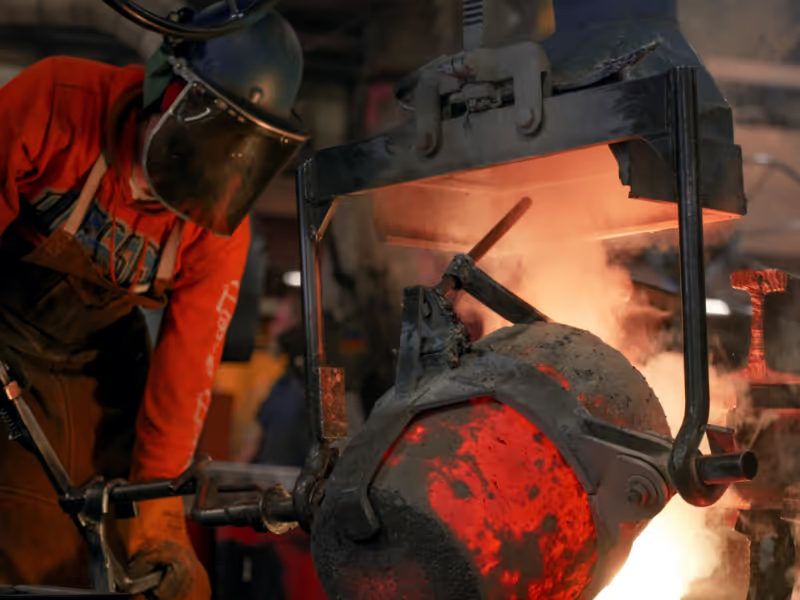
At Lincoln Foundry, we pour high-conductivity pure copper castings for electrical transformers and power distribution hardware. Our Erie, Pennsylvania, foundry produces transformer mounts, copper studs, terminal lugs, and connector hardware for OEMs that need rough-cast parts they can machine in-house.
We quote each order based on the part geometry, copper grade, casting weight, and finishing requirements. Our copper casting work is shaped by the part size, pour weight, tooling setup, cleanup requirements, and the amount of machining the OEM plans to complete after delivery:
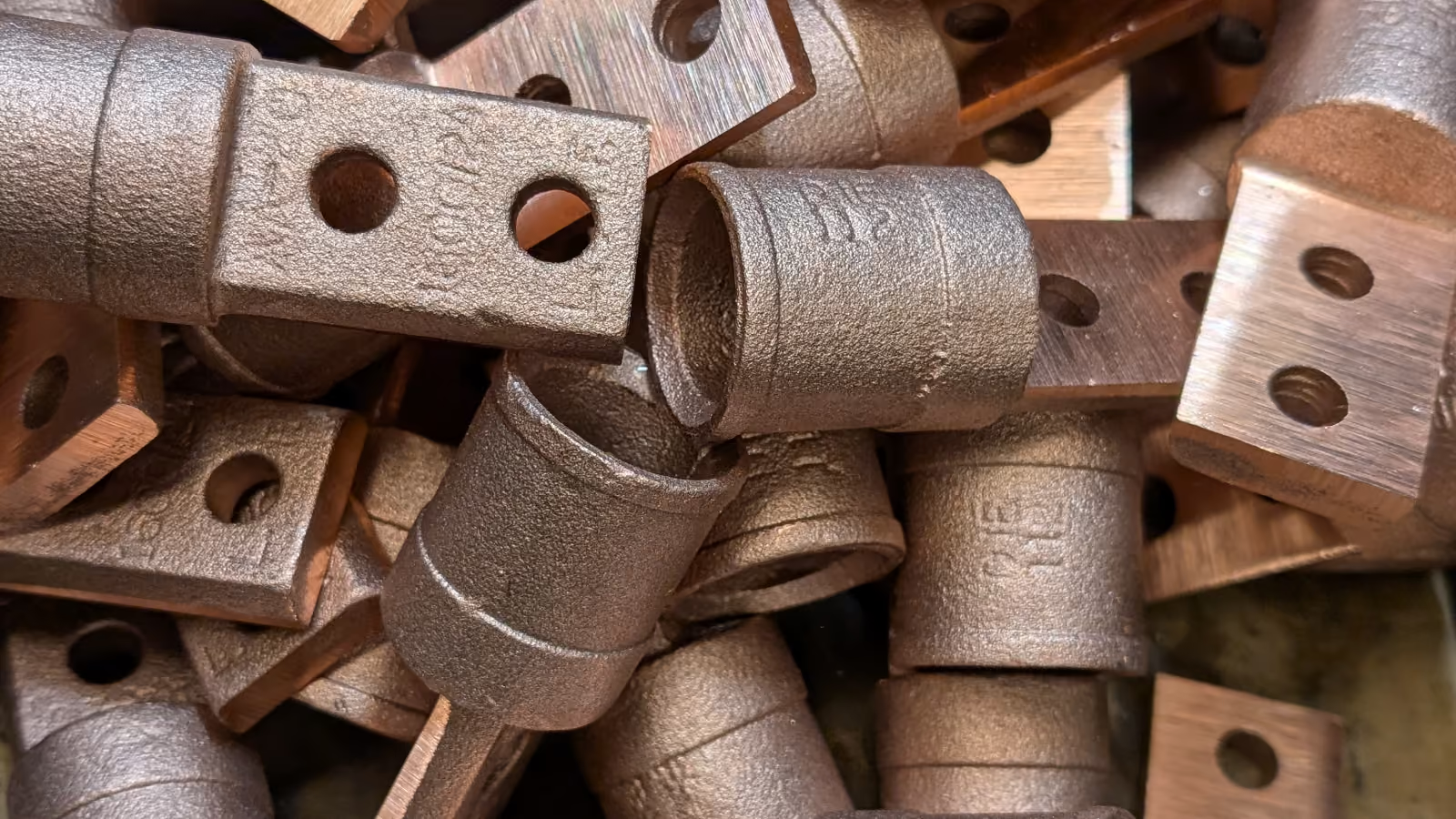
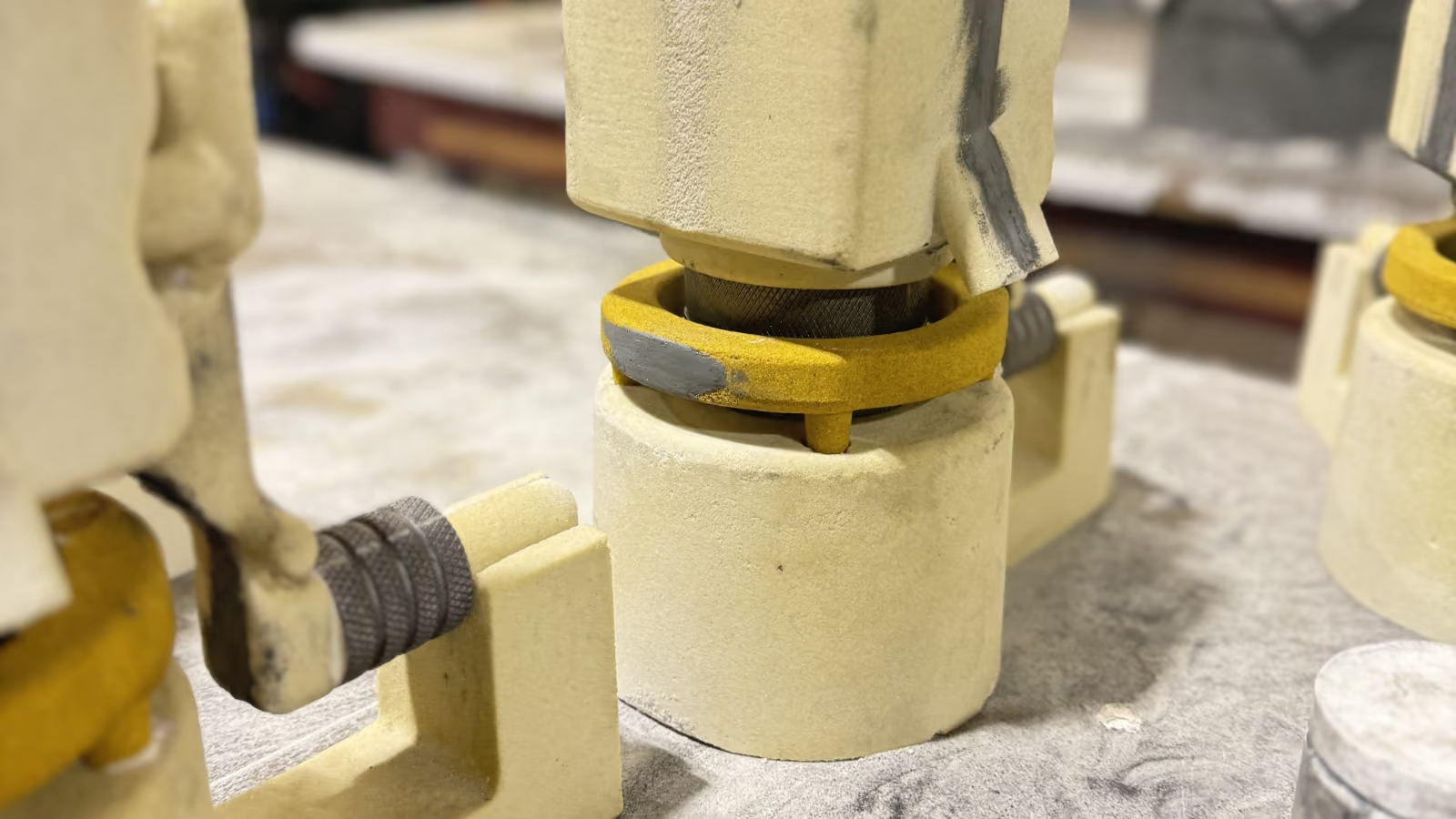
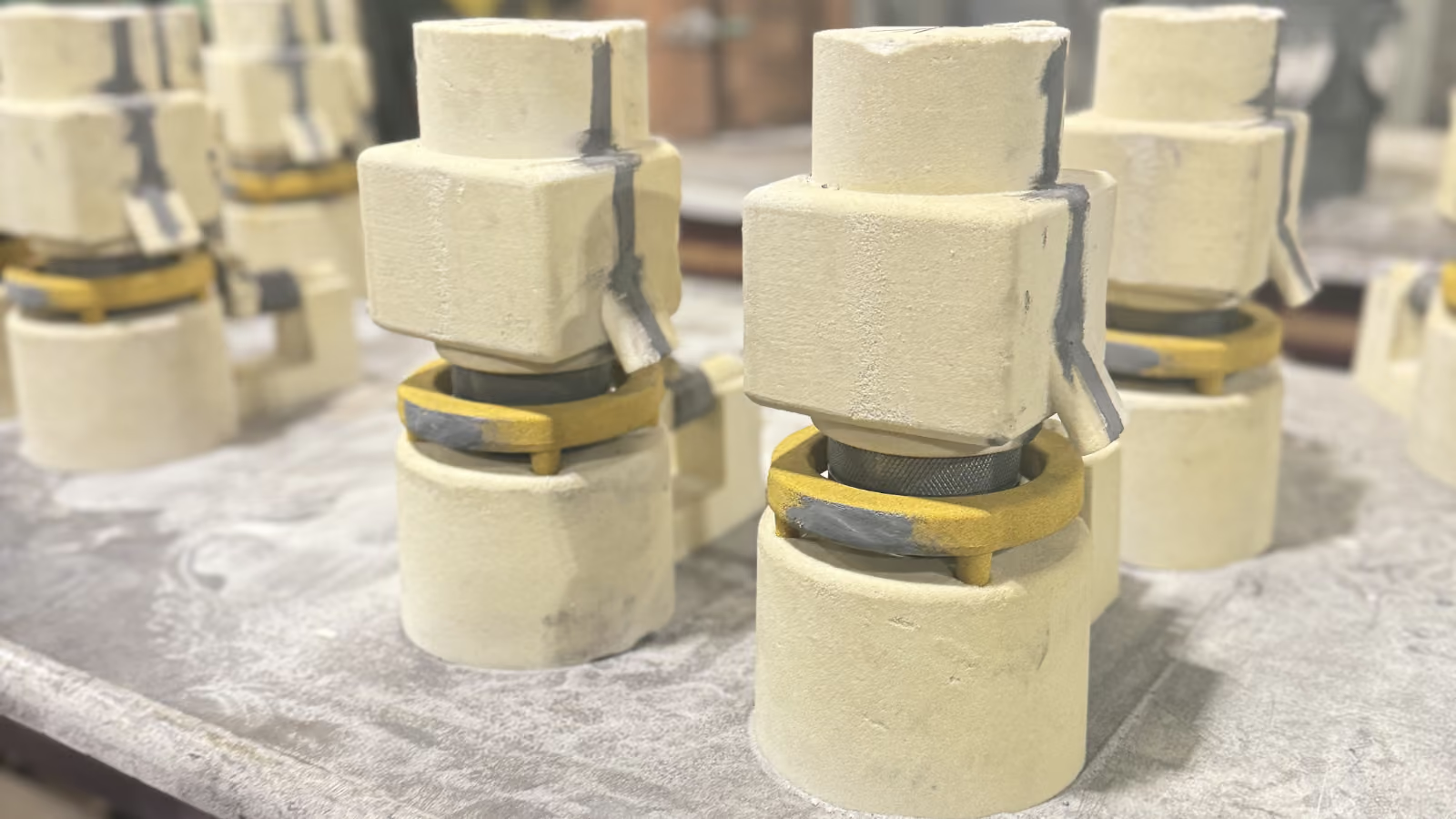
Raw Casting Delivery: We supply rough-cast and raw-cast copper parts, ground and shot-blasted. Raw-cast delivery reduces the amount of finishing performed at the foundry and gives OEMs control over final machining, hole locations, and close-tolerance features.
Physical Dimensions: Our maximum casting length is 3 feet. This size range fits many transformer mounts, copper studs, terminal lugs, and connector bodies used in electrical and power distribution applications.
Weight Capacities: Pure copper castings can range from 0.01 pounds to 100 pounds. That range covers small electrical hardware and larger cast copper parts used in power distribution assemblies.
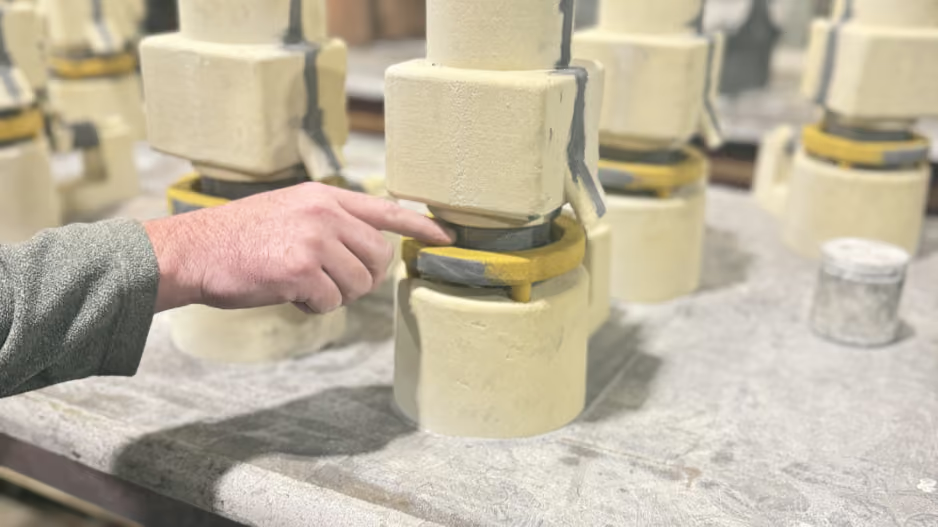
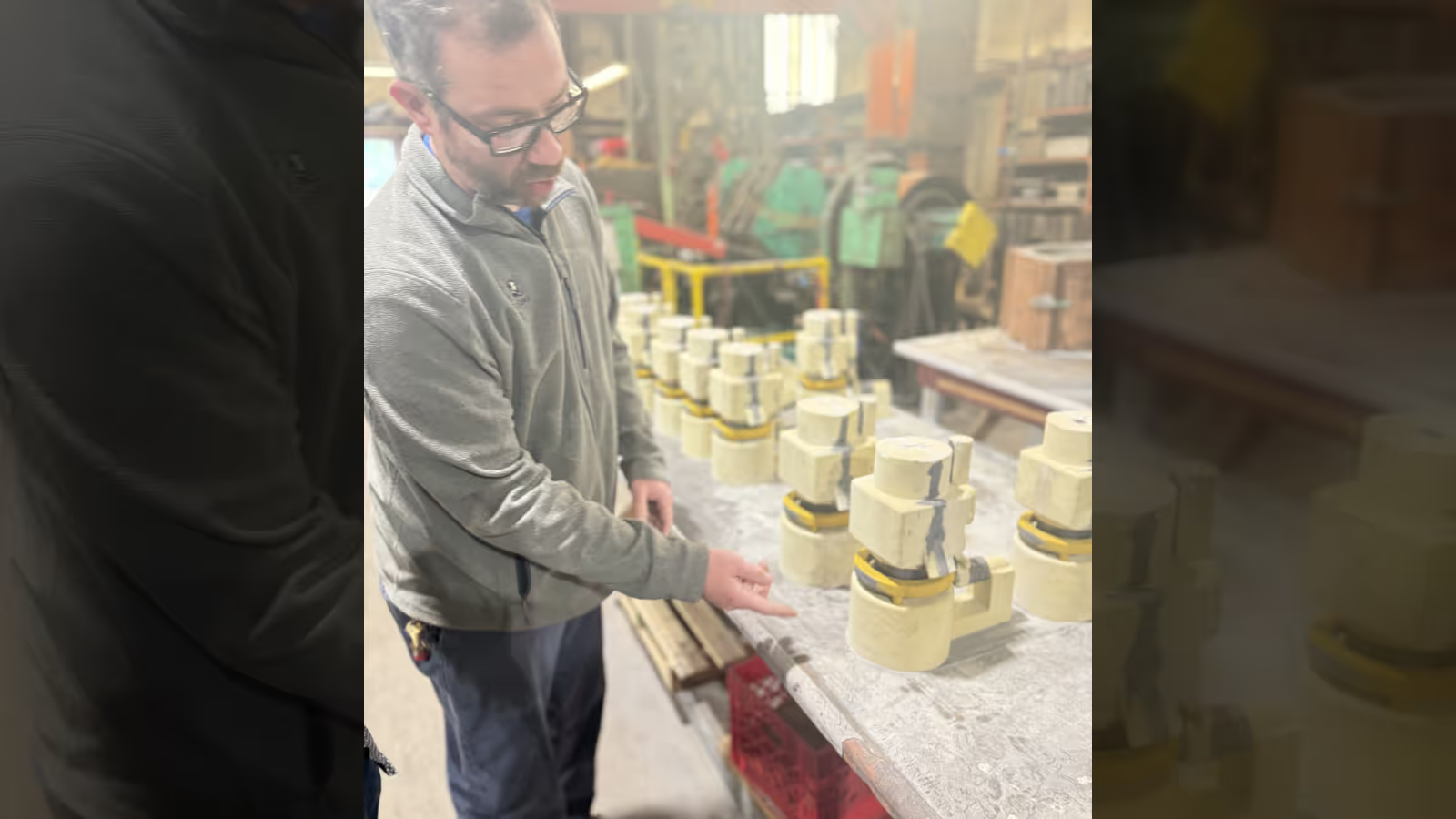
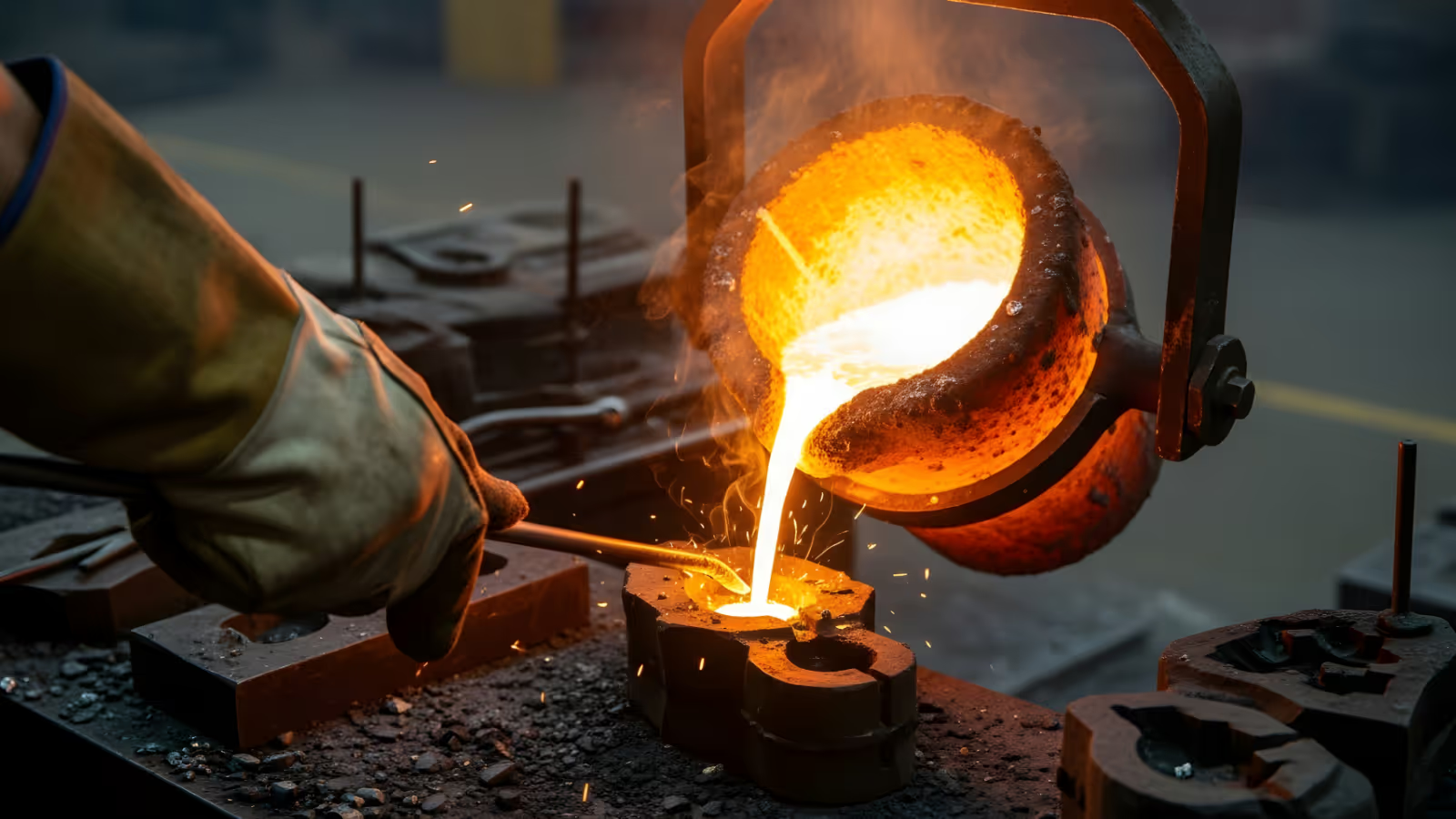
Tooling Preparation: Patternmakers create tooling from wood, plastic, or metal. Gates and risers are added to the pattern so molten copper can fill the sand mold and feed the casting as the metal cools.
National Logistics: Our Pennsylvania location provides electrical OEMs with a U.S. source of rough-cast copper parts. OEMs rely less on overseas suppliers, customs processing, and imported castings when the casting work stays in the United States.
Terminal lugs, copper studs, and end fittings carry current at transformer and power distribution connection points. A low-resistance joint reduces voltage loss and heat at the contact surface. We cast these parts in high-conductivity copper, so OEMs receive rough castings for final hole patterns, thread details, and mounting surfaces.
Brass, bronze, and aluminum can be used for valves, brackets, fittings, and other hardware located outside the main current path. High-amperage joints need lower resistance because heat at the terminal can damage nearby insulation and shorten connection life. For outdoor parts, we can coordinate silver-matte, tin, or chrome finishes through plating vendors when corrosion protection, contact plating, or a final finish is required.
Transformer and power distribution castings do not all need the same alloy. Copper is used in parts that carry current because it maintains low resistance in high-amperage connections. Brass, bronze, and aluminum can work for parts that need strength, corrosion resistance, lower weight, or fluid-control performance outside the main current path.
The right alloy depends on whether the casting carries current, supports another part, or handles fluid-control hardware:
Molten copper can absorb oxygen and hydrogen during sand casting, which can lower the electrical conductivity of the finished part. Standard sand-cast copper often achieves about 75% IACS, so we add deoxidizing agents to the melt to reduce conductivity loss. That process helps us produce high-conductivity cast copper parts that typically reach 85%-90% IACS.
We verify each heat with an in-house SpectroLab machine to check chemical composition and purity. Test bars are also pulled on a calibrated physical tester to confirm mechanical strength. Lincoln Foundry pours 99.99% pure copper for these castings and avoids “100% copper” because copper casting can include trace elements or deoxidizing additions.
Cast copper parts for electrical transformers must support current transfer, connection stability, and subsequent machining. Material choice, IACS conductivity, part size, and finishing scope all affect whether the finished part meets the electrical application requirements.
Lincoln Foundry pours high-conductivity copper castings for transformer mounts, copper studs, terminal lugs, and connector hardware. We can supply rough-cast parts for OEMs that want control over final machining, surface details, and part fit after delivery.
Get a Quote For Cast Copper Parts for Electrical Transformers »
Christopher Campbell
Experienced leader at Lincoln Foundry with 15+ years spanning shop floor to ownership. Combines hands-on molding expertise with executive oversight, RFQ quoting, and metallurgical testing to deliver high-quality non-ferrous castings with exceptional consistency and low defect rates.
Key Differentiators