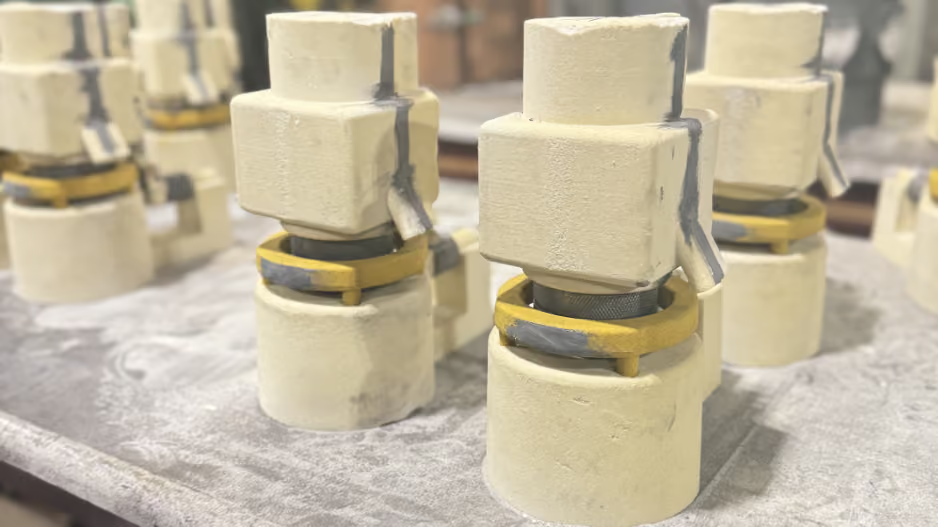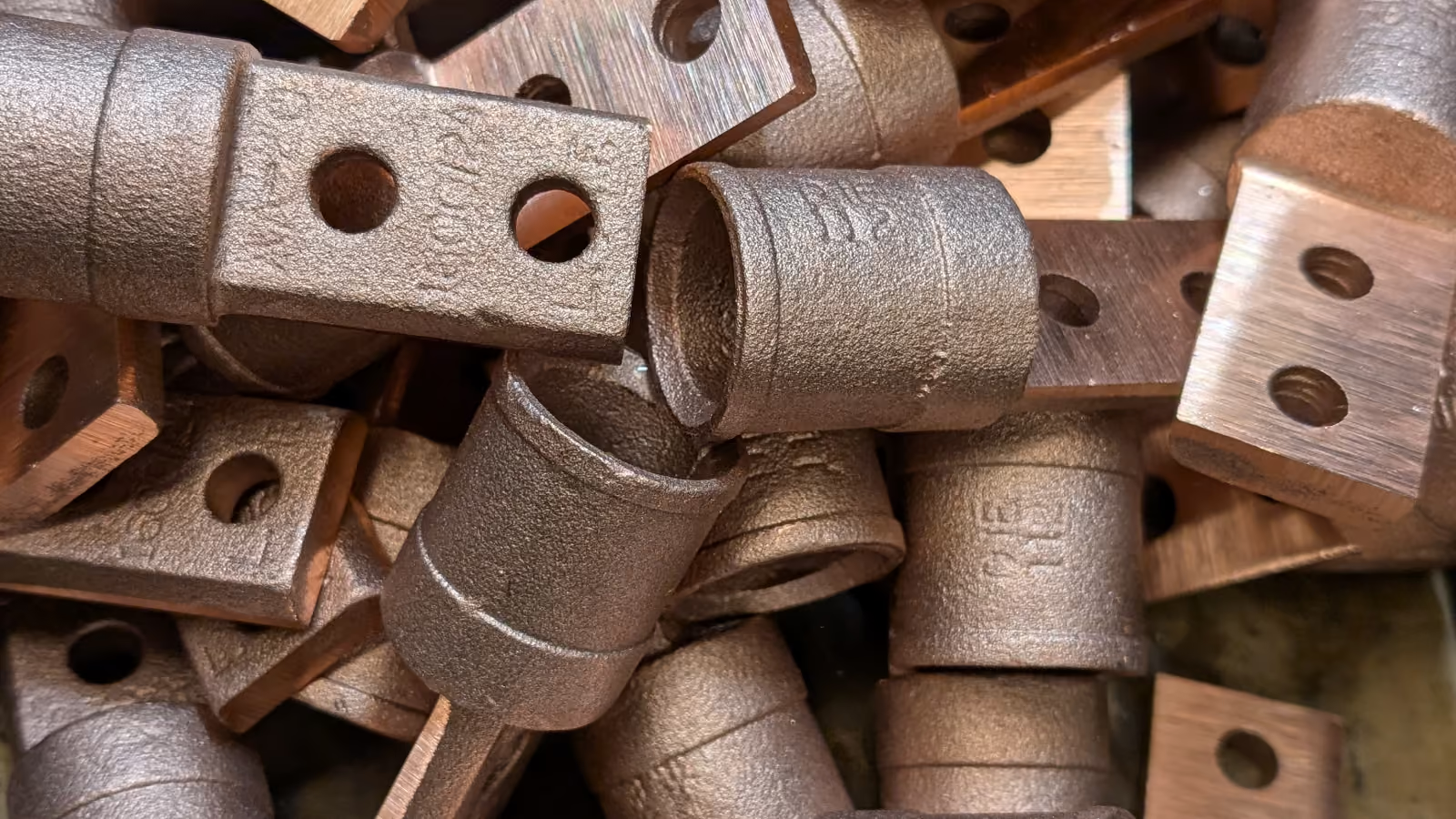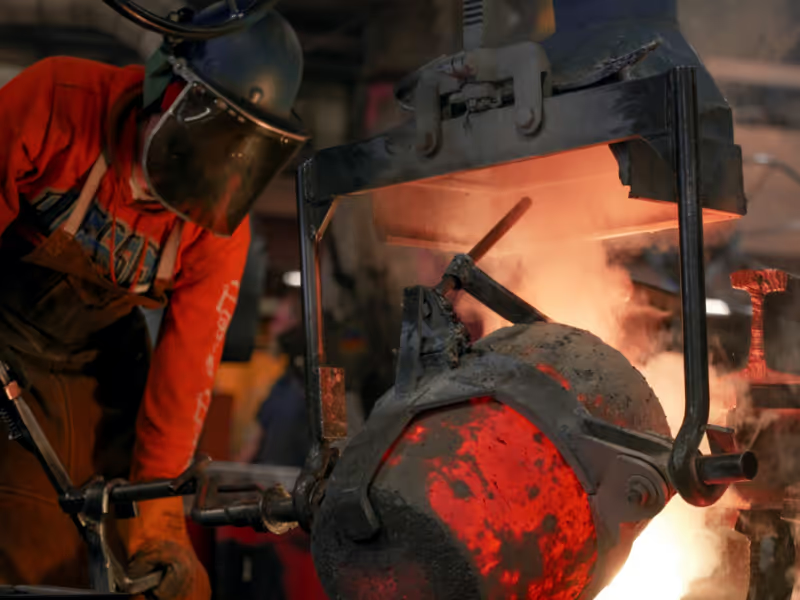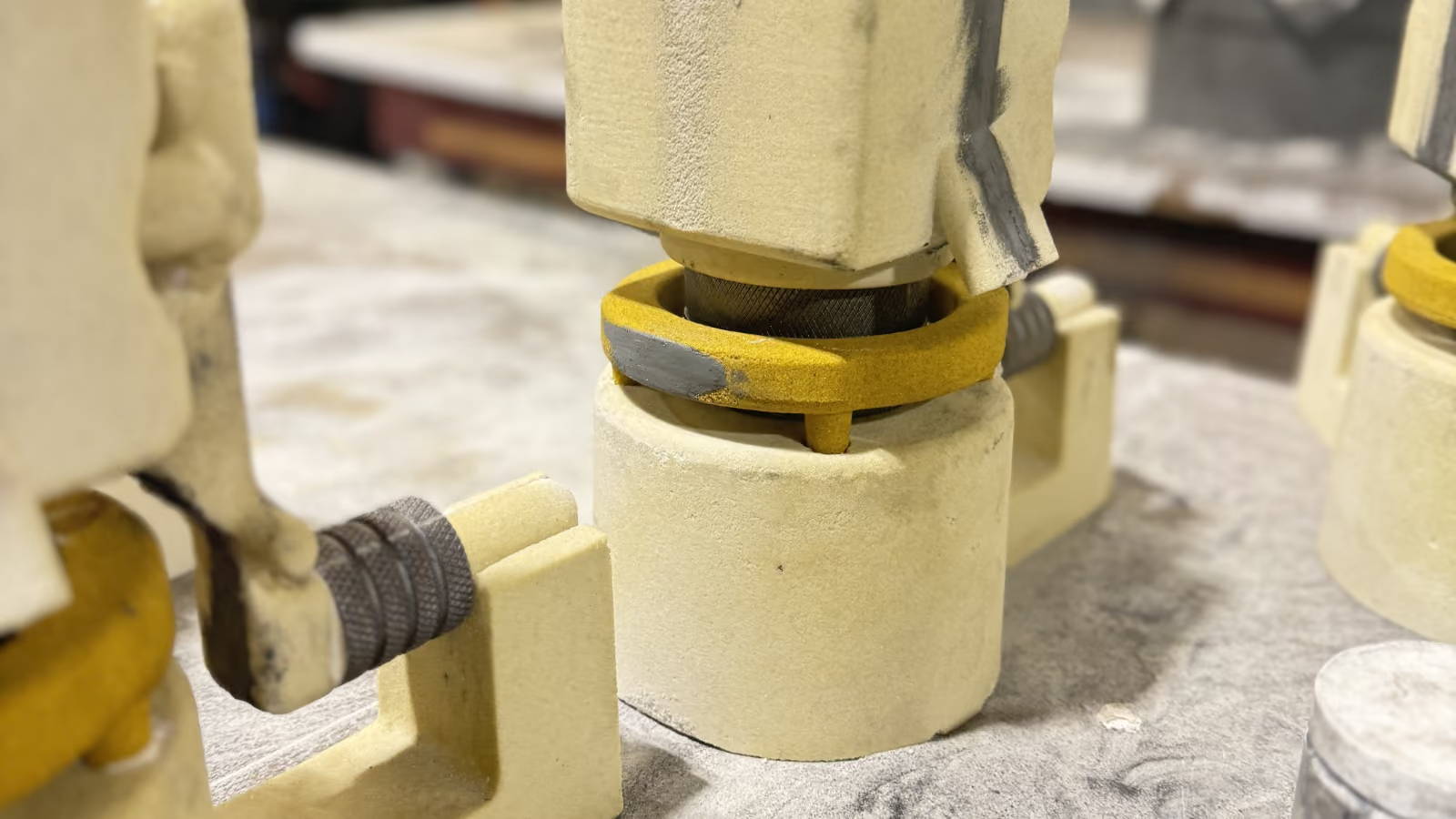
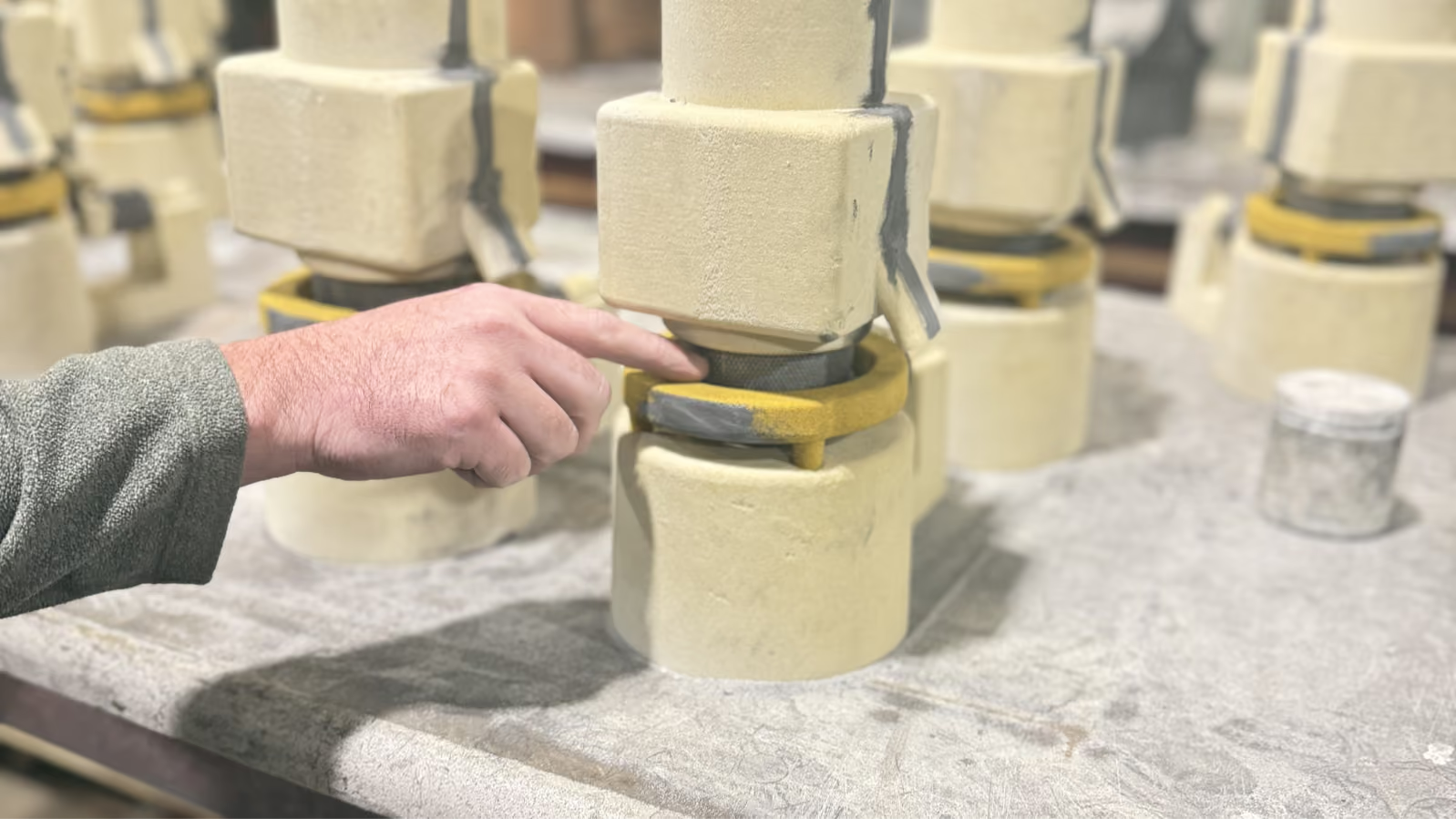
Machine shops sourcing castings can quote more OEM work when a foundry handles the casting side before CNC production begins. Lincoln Foundry supplies raw and rough-cast parts for shops that need castings for customer proposals, production runs, or larger assemblies. Our role is to provide your shop with a reliable casting source while your team maintains control of final machining.
A dependable foundry relationship helps reduce sourcing steps, clarify casting requirements, and keep more upstream work off your shop floor. That support makes it easier to price casting-backed jobs, manage customer expectations, and take on work that starts with a raw casting.
Read on to learn how Lincoln Foundry helps machine shops source raw castings to help procure more OEM work and larger, more profitable contracts.
Get a Quote For Raw Castings »
Machine shops often receive OEM work that starts with a casting rather than bar stock or plate. The shop owns the customer relationship, final machining, fixture planning, and inspection requirements. A foundry supports the work before that point by supplying the raw casting material that the finished part depends on.
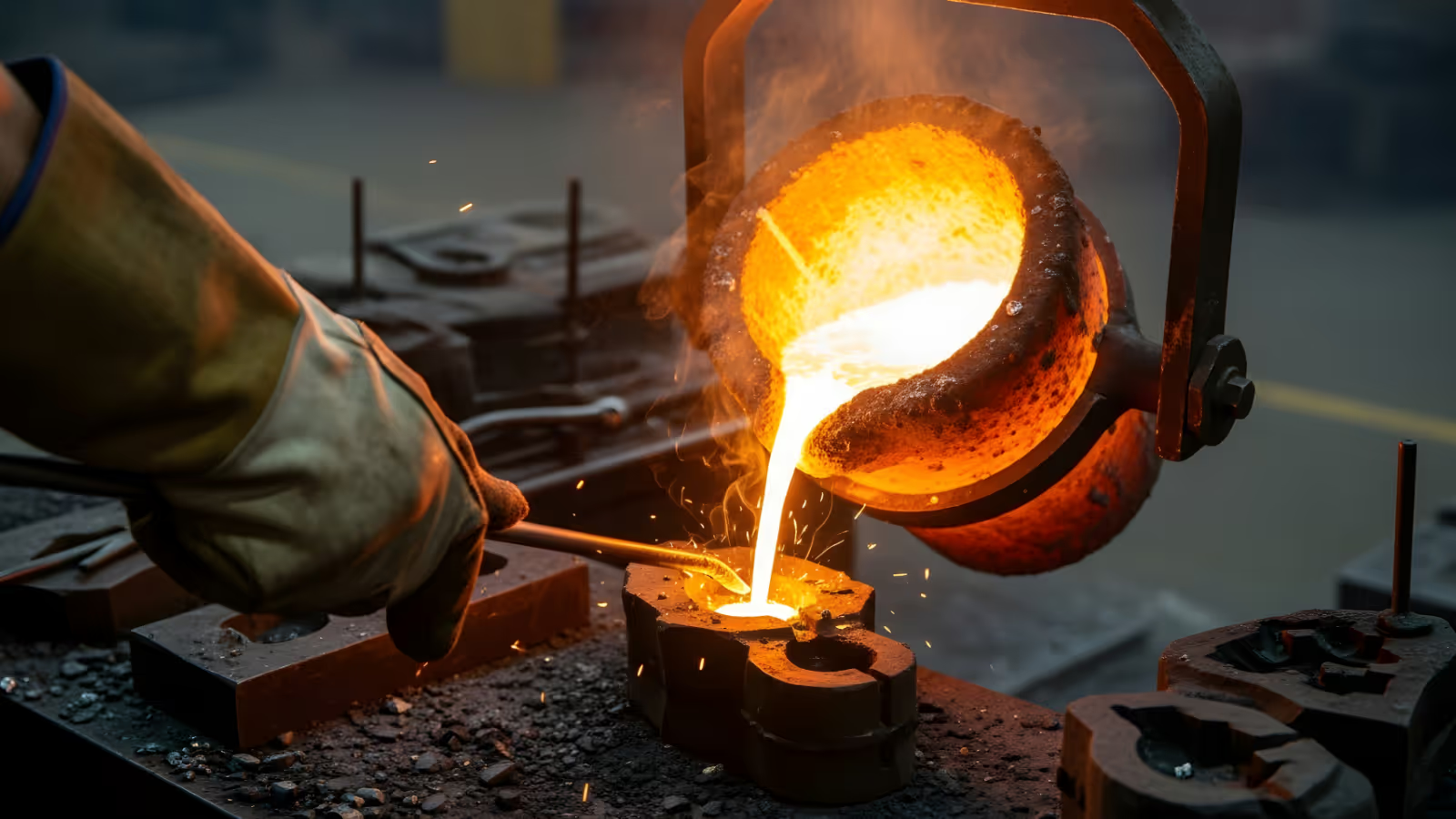
Lincoln Foundry fits into that process as the casting-side resource. Our team reviews the raw casting requirements, pours the specified material, and prepares the part for the next production step. This gives machine shops a clear division of work without moving the finished machining responsibility away from their team.
That partnership matters because the foundry work affects the quote, the production plan, and the part's condition before CNC time is committed. Lincoln handles the casting side, and machine shops maintain control of the final parts their customers ordered.
Machine shops need accurate raw casting input before they can price casting-backed OEM work for a customer. A finished part print may define the machined component, but the quote still needs casting cost, raw condition, alloy, stock allowance, casting weight, and inspection scope. Lincoln Foundry’s experienced quoting team defines those casting details early and gives machine shops a cleaner basis for the customer quote.
Fast quoting from Lincoln helps machine shops move from RFQ to customer proposal with fewer open items. The foundry quote defines the cast component, and the shop uses that input to price machining, inspection, and final delivery. That separation prevents the casting requirement from becoming an open-source issue.
A complete casting quote gives machine shops usable information before the proposal is submitted:
OEM material requirements can change from one casting-backed job to the next. Lincoln Foundry pours cast aluminum, 304 and 316 stainless steel, pure copper, brass, bronze, and other copper-based alloys for raw and rough-cast parts. That range helps machine shops reduce vendor searches across different alloy families, material standards, inspection needs, and order sizes. Lincoln helps machine shops review those casting-side requirements earlier, so they can quote work for electrical, utility, industrial, marine, aerospace, defense, plumbing, and other OEM markets with fewer sourcing changes.
Volume flexibility also matters when a customer project moves from prototype work into repeat production. Lincoln supports prototype quantities, short runs, and production orders that fit our casting capabilities. That gives machine shops a foundry source capable of supporting multiple stages of a customer’s project.
Machine shops often coordinate more than CNC work on casting-backed OEM jobs. A single order can involve foundry sourcing, raw casting prep, finishing coordination, inspection planning, and final machining. Lincoln Foundry serves as a natural extension of the casting supply chain, keeping upstream steps organized before parts reach the shop floor.
We quote new work as raw castings and provide standard shot blasting and grinding before the next production step. Heat treating, anodizing, powder coating, and painting are available for projects requiring additional processing. Those services keep more casting-side work with Lincoln before final machining begins and leave the finished component with the machine shop. That division of work reduces outside handoffs before parts reach the final machining stage.
Partnering with Lincoln allows machine shops to take on larger, more complex projects without overloading their equipment during large production runs. Our primary role is supplying raw castings for your machining operations, and our in-house machining capabilities can provide overflow support during capacity constraints or unusually large production runs. The machine shop retains the finished machining relationship with its customer, while Lincoln handles the casting-side work that keeps larger projects moving without overloading the shop's equipment.
Machine shops need confidence in the raw casting before they schedule CNC time, fixtures, and inspection work. Lincoln Foundry uses chemical and mechanical testing, along with documented material checks, to verify compliance with casting requirements before parts move downstream. That information helps shops identify material issues earlier and gives the finished part a clearer path to customer approval.
We use SpectroLab analysis and bar puller testing to support alloy verification and mechanical property checks. These checks help confirm that the casting matches the required material before the shop commits more time to the job. For machine shops sourcing raw castings, added control can reduce late-stage rejection, rework, and avoidable disruption on the CNC floor.
Machine shops sourcing castings need a foundry that supports the work before the finished part reaches final machining. Lincoln Foundry supplies raw and rough-cast parts, material experience, quoting support, and casting-side processing for OEM projects. Our team helps keep the foundry work defined while machine shops keep control of the finished component.
Christopher Campbell
Experienced leader at Lincoln Foundry with 15+ years spanning shop floor to ownership. Combines hands-on molding expertise with executive oversight, RFQ quoting, and metallurgical testing to deliver high-quality non-ferrous castings with exceptional consistency and low defect rates.
Key Differentiators